

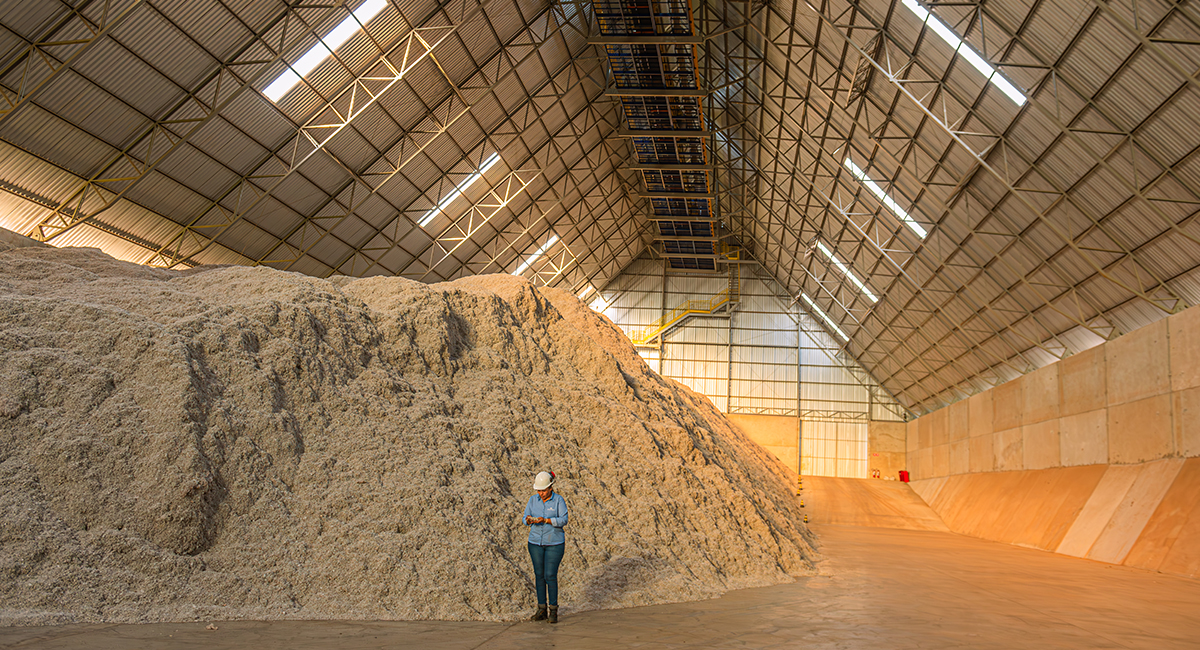
How to Prevent Cotton Seed Quality Loss Before Processing and Maximize Oil Yield
Cottonseed is among the most sensitive oilseeds in terms of quality preservation before processing. Unlike many other oilseeds, cottonseed begins to deteriorate soon after ginning if storage, moisture, and handling conditions are not properly controlled. This deterioration directly impacts oil quality, increases free fatty acid levels, darkens oil color, complicates refining, and ultimately results in reduced cotton seed oil yield. Preventing quality loss before processing is therefore a critical requirement for efficient and profitable cottonseed processing.
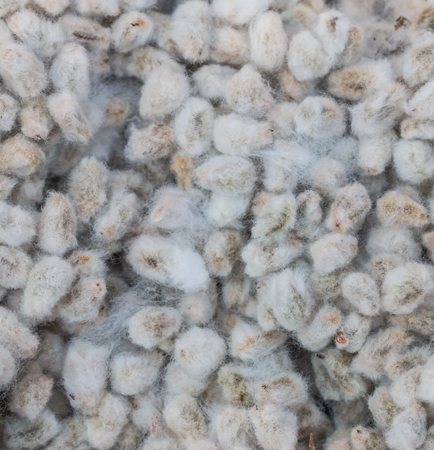
Cotton seed quality deterioration is primarily driven by its inherent biological activity and residual moisture. Fresh cottonseed contains lint, hull moisture, and active enzymes that continue to react during storage. When seeds are exposed to unfavorable conditions such as high humidity, poor ventilation, or extended storage duration, respiration and microbial activity accelerate. This leads to heating, mold growth, and enzymatic breakdown of oil, all of which degrade oil quality even before the seed enters the extraction plant.
Among all contributing factors, cotton seed moisture control plays the most decisive role in preserving quality. Even a small increase in moisture beyond safe storage limits can trigger rapid deterioration. Elevated moisture promotes microbial growth and internal heating, which in turn increases free fatty acid formation and oxidation of oil. Consistent moisture control during storage and transportation is therefore essential to maintain seed stability and protect oil quality.
Proper storage practices are equally important in minimizing cotton seed storage issues. Cottonseed should be stored in clean, dry, and well-ventilated facilities that prevent moisture ingress and temperature buildup. Poorly designed or overcrowded storage areas trap heat and humidity, accelerating quality loss. Long storage durations further worsen the problem, making inventory management and timely processing critical elements of quality preservation.
Handling and transportation methods also significantly influence cottonseed quality. Rough handling causes mechanical damage to the seed, exposing the oil-rich kernel to oxygen and microbial attack. Broken or crushed seeds deteriorate much faster than intact seeds, leading to uneven processing behavior and lower oil recovery. Gentle conveying, controlled transfer points, and minimal drop heights help preserve seed integrity and ensure uniform performance during processing.
Effective pre-cleaning is an essential step in cottonseed processing, as it removes dust, foreign materials, metal particles, and excess lint that interfere with downstream operations. Clean cottonseed allows better heat transfer during conditioning, more uniform flaking, and improved contact between the seed and solvent during extraction. As a result, pre-cleaning directly contributes to improved cotton seed oil extraction efficiency and reduced equipment wear.
Timely processing plays a crucial role in maintaining cottonseed quality. Delays between ginning and processing allow enzymatic activity and oxidation to progress, increasing free fatty acid levels and reducing refining efficiency. Processing cottonseed as early as possible after receipt helps preserve natural oil characteristics, reduces refining losses, and improves overall oil yield.
When cottonseed quality is compromised before processing, the impact is felt throughout the plant. Extraction efficiency declines, oil losses increase in meal and soapstock, refining costs rise, and final oil yield drops. In contrast, when quality is preserved at the storage and handling stage, processors can achieve higher and more consistent oil recovery without additional processing complexity.
Recent Posts



Quick Enquiry
Let us know your capacity needs, project timeline, and process requirements. Our technical team will get back to you with detailed specifications, pricing, and availability. We're here to support your project's success with the right technology and expertise.


Translate
Send Your Query
 Portuguese
 Russian